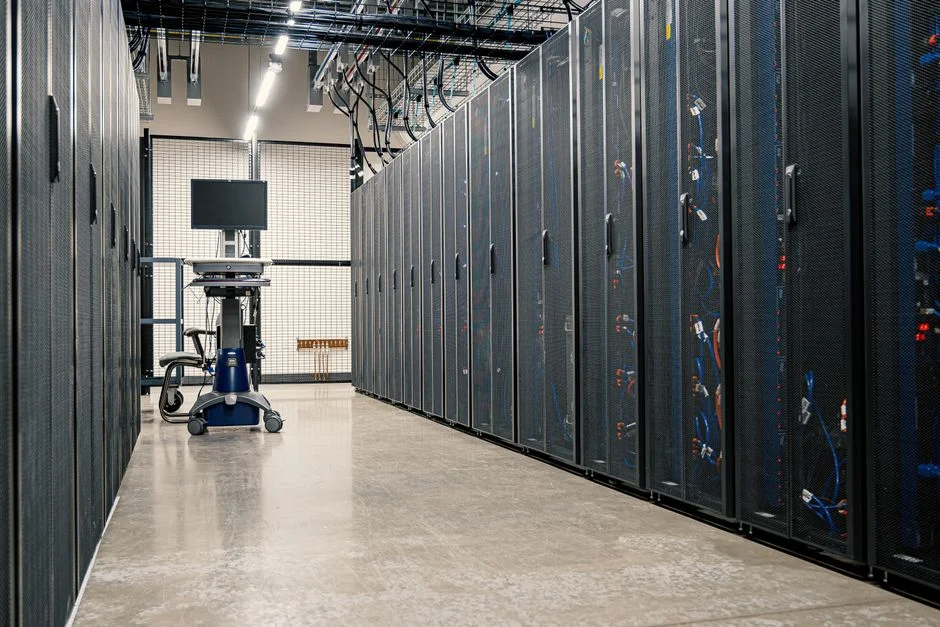
Alphabet’s revenue trajectory is now anchored by cloud infrastructure and AI enterprise services, with enterprise demand driving 90% of Fortune 100 customers using Gemini Enterprise.
Google Cloud contributed over 20% of Alphabet’s Q2 revenue, and revenue growth in the segment reached 82% year-over-year. This expansion is not incremental—it is structural, as enterprise clients now deploy Gemini Enterprise at scale, with no evidence of customer churn.
The growth is materially reinforced by a $514 billion backlog in cloud commitments, a figure reported by Sundar Pichai. This backlog is not speculative; it reflects contracted work tied to current and future AI model rollouts, with delivery timelines extending into 2025.
Project Suncatcher’s launch of a test satellite in October—designed to host a mini data center in orbit—introduces a new layer of operational capacity. The satellite, sized to fit in a kitchen, will process data in low-Earth orbit, reducing latency for global AI training. This capability enables real-time data ingestion from remote sensors, directly expanding the scope of enterprise AI applications.
These developments are not isolated. The security vulnerability in Oracle’s PeopleSoft software, exploited by ShinyHunters, has prompted Google to reinforce its cloud security posture. The incident demonstrates that enterprise clients are now prioritizing data integrity, and Google’s role in securing AI infrastructure is a key differentiator.
The result is a shift in pricing power. Cloud services now command a wider margin than search, with enterprise contracts offering stable, long-term revenue streams. The 200-day moving average of Alphabet’s stock price has risen above the 200-day line, indicating sustained investor confidence in the cloud-AI integration.
Alphabet’s earnings are no longer dependent on consumer search volume. Instead, enterprise AI and cloud infrastructure now account for the majority of revenue growth and are the primary driver of operating margins. This structural realignment has elevated cloud as the dominant segment, with pricing power increasing and demand becoming less cyclical.