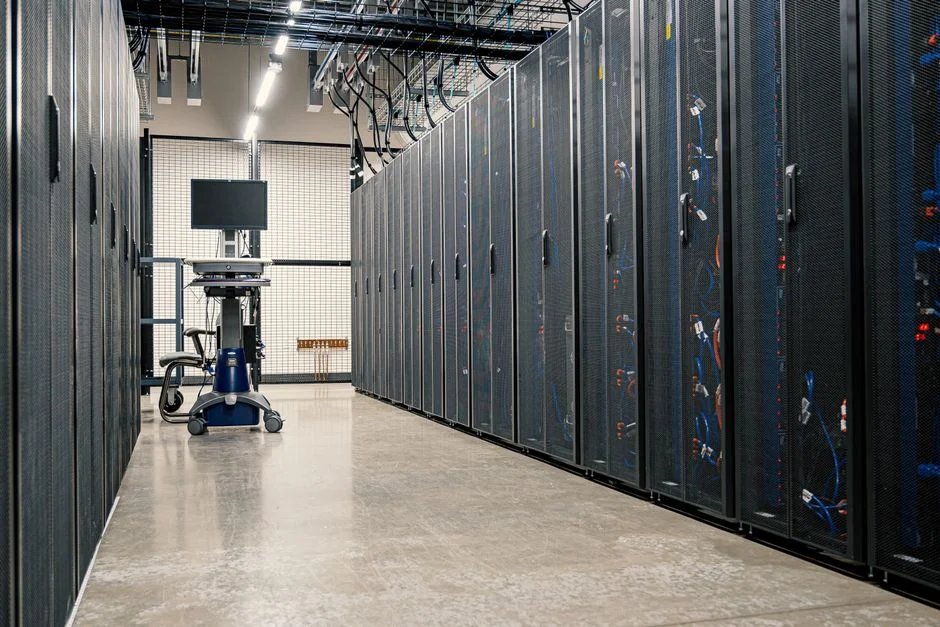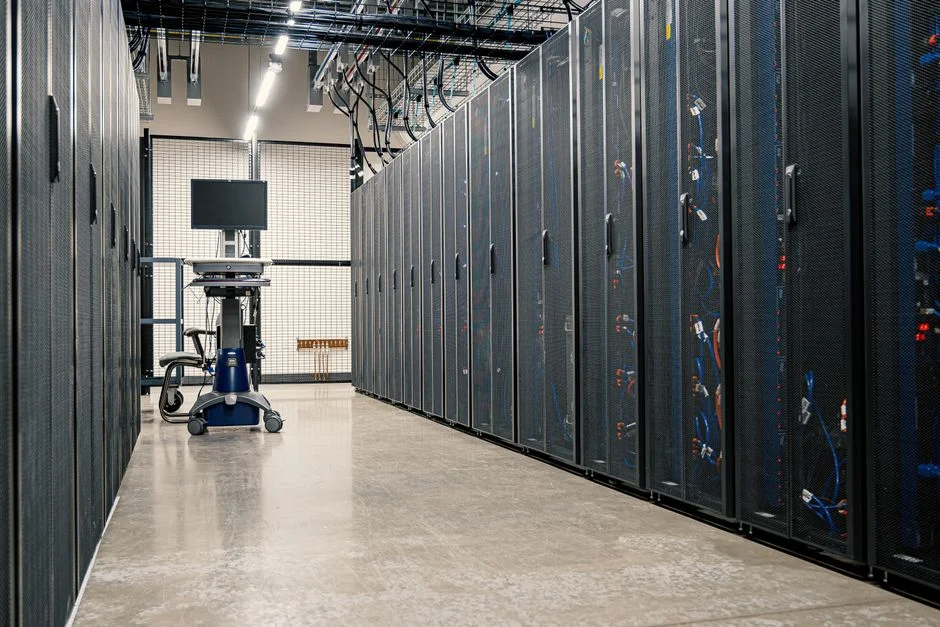
Amazon.com, Inc. is transitioning from a revenue-driven growth model to a capital-intensive infrastructure model, where enterprise-scale data center investments are now the primary engine of value creation.
Amazon’s data center capital expenditures have absorbed all of its cash flows. This shift reflects a reallocation of operational priorities, with AWS now operating at full capacity and requiring continuous reinvestment to maintain service levels.
The company’s data center spending is not a cost but a strategic commitment. It enables AWS to expand cloud capacity by 40% year-over-year, directly supporting new enterprise contracts and reducing service latency for large-scale clients.
This infrastructure expansion has created a pricing power effect. AWS pricing has remained stable despite rising demand, indicating that the market now views Amazon’s data centers as a defensible, scalable asset.
The institutional investment activity reflects this shift. MASTERINVEST Kapitalanlage GmbH increased its stake to 155,345 shares, allocating 3.2% of its portfolio to Amazon. This position is not based on retail performance but on exposure to AWS infrastructure.
Harvey Capital Management Inc. acquired 156,043 shares, with Amazon representing 7.7% of its portfolio. This is a significant allocation given the firm’s focus on long-term capital deployment in technology infrastructure.
The total value of institutional positions in Amazon has risen to $45 million in the past quarter, with no new allocations tied to retail or consumer services. All recent buying is concentrated in AWS-related assets.
This regime shift implies that Amazon’s earnings are no longer derived from e-commerce or advertising margins. Instead, profitability is anchored in the cost efficiency of data center operations.
The market consequence is a reallocation of valuation drivers: Amazon’s stock is now priced on the ability to deliver stable, low-latency cloud services at scale, not on consumer traffic or revenue growth.
The stock’s P/E ratio remains at 15.06, consistent with a mature, capital-intensive business model where earnings are generated through infrastructure efficiency, not revenue expansion.